
Boost Your Physiotherapy Practice with Pheezee: Step-by-Step Usage & Test Pricing

1. Create a Dedicated Assessment Room for Accurate Results
A controlled and well-equipped assessment space is key to delivering high-quality care. Your assessment room should include:
- - Privacy and comfort for patients.
- - Adequate space for posture evaluation, movement tests, balance exercises
- - Specialized equipment such as a dedicated bed for precise measurements.
A properly prepared environment ensures that your assessments are both accurate and professional.
2. Assign a Trained Staff Member to Conduct Pheezee Assessments
Efficiency and accuracy improve when a dedicated employee handles Pheezee assessments. Their responsibilities include:
- - Explaining tests clearly to patients.
- - Operating the Pheezee to ensure accurate data collection.
- - Recording and saving resultsfor clinician review.
This allows physiotherapists to focus on analyzing results and designing personalized therapy plans.
3. Conduct Structured Assessments and Generate Detailed Reports
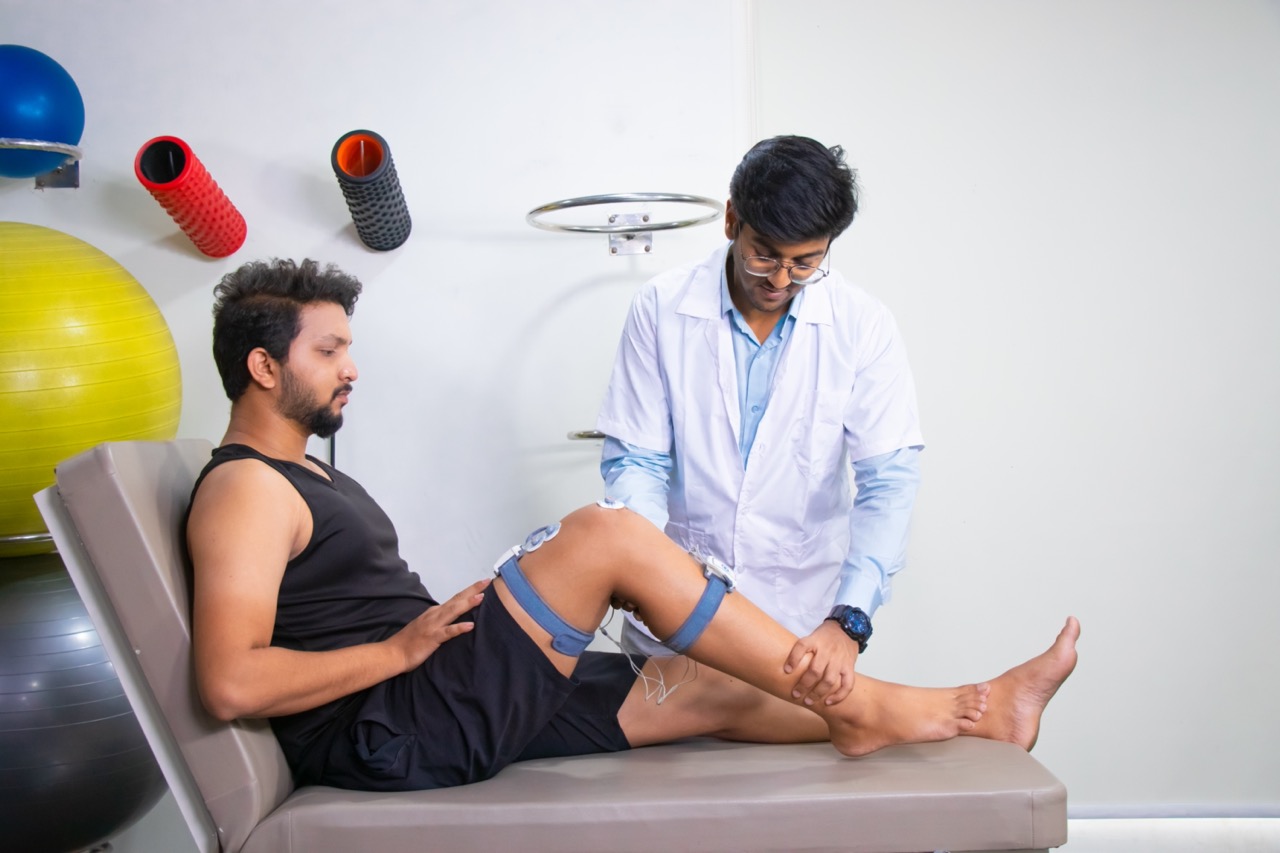
Pheezee assessments are quick (20 to 30 minutes) but thorough. Typical tests include:
- - Range of motion evaluations for joints and limbs.
- - Strength and endurance testing for major muscle groups.
- - Functional mobility assessments for everyday activities.
- - Patient history and medical information collection.
- - Review results with patients.
- - Set realistic therapy goals.
- - Encourage active patient participation in their recovery.
- - Targeted exercises for specific weaknesses or imbalances.
- - Optimized session schedules ensuring patients follow the most effective therapy timeline.
- - Combined therapy modalities such as manual therapy, exercise therapy, electrotherapy, and pain modulation for maximum results.
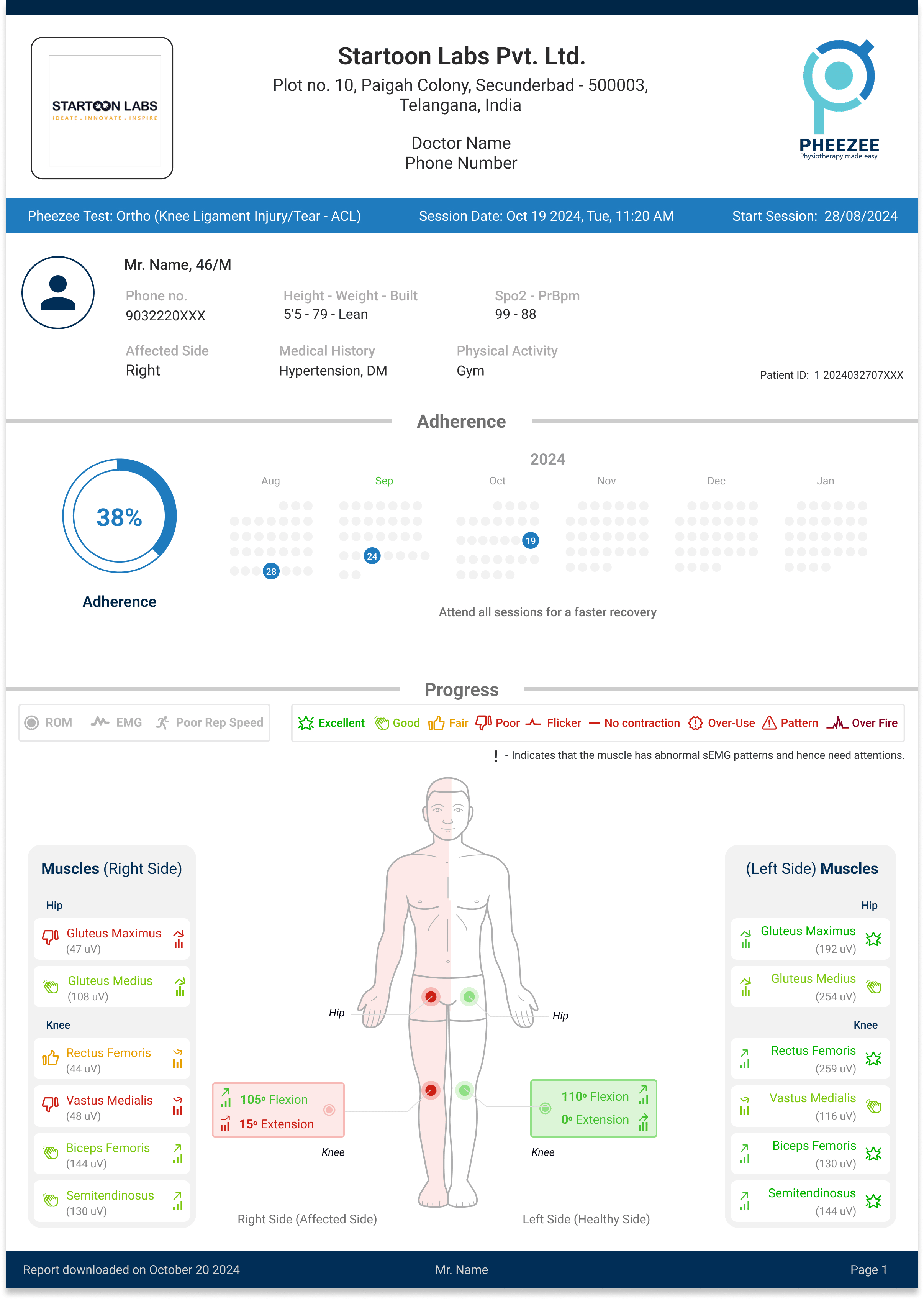
- - Measure improvements comparing progress against baseline assessments.
- - Adjust therapy plans by modifying intensity or exercises based on real-time progress.
- - Show objective results helping boost patient engagement and trust in the therapy process.
- - City and demographics: larger cities or premium localities can support higher pricing.
- - Clinic type: specialized or multi-specialty physiotherapy centers may charge more.
- - Test complexity: comprehensive assessments or multi-module tests can command higher fees.
- - Test type: pricing varies based on whether the assessment is orthopedic, neurological, wellness, pain diagnostics, or pelvic floor.
After each session, Pheezee generates a comprehensive report that allows physiotherapists to:
4. Develop Personalized Therapy Plans Based on Data
Objective data from Pheezee allows physiotherapists to create highly individualized therapy programs, including:
With Pheezee, therapy plans are precise, evidence-based, and tailored to each patient's needs.
5. Schedule Follow-Up Assessments to Track Progress
Tracking patient progress is essential for motivation and effectiveness. Pheezee allows physiotherapists to:
Regular follow-ups, typically every 15 days, make physiotherapy measurable, transparent, and outcome-driven.
6. Decide Pheezee Test Pricing for Your Clinic
Setting the right price for Pheezee assessments depends on several factors, including your clinic location, type of clinic, and the specific tests performed. In general, Pheezee test prices range from 500 to 2,000 or more per session. Consider:
Offering clear pricing alongside the objective benefits of Pheezee assessments helps patients understand the value of your services while ensuring your clinic remains profitable.
7. Add Item Codes for Pheezee Tests in Your Hospital ERP
Standardizing your billing process enhances transparency and ensures smooth operations within the clinic. By integrating Pheezee test item codes into your existing Hospital ERP or clinic management software, you can maintain clear communication among clinicians, technicians, and patients and avoid billing errors.
To ensure clarity and consistency, create separate item codes for each Pheezee test
| Test Category | Suggested Item Code | Description |
|---|---|---|
| Pheezee Ortho Assessment | PZ-ORTHO-001 | Orthopedic evaluation including ROM, strength, and functional mobility tests. |
| Pheezee Neuro Assessment-Upper Limb | PZ-NEURO-UL-002 | Neurological assessment of upper limb muscles and movement patterns. |
| Pheezee Neuro Assessment-Lower Limb | PZ-NEURO-LL-003 | Neurological assessment of lower limb strength, control, and nerve influence. |
| Pheezee Neuro Assessment-Trunk | PZ-NEURO-TR-004 | Assessment of trunk activity, coordination, and neurological involvement. |
| Pheezee Nerve Pathology-Radiculopathy | PZ-NERVE-RAD-005 | Evaluation of nerve root involvement and muscle activation patterns. |
| Pheezee Nerve Pathology-Neuropathy | PZ-NERVE-NEURO-006 | Assessment of peripheral nerve dysfunction across relevant muscle groups. |
| Pheezee Pain Diagnostic Test (Per Joint) | PZ-PAIN-JNT-007 | Pain and functional assessment for a specific joint (e.g., knee, shoulder, spine). |
| Pheezee Wellness Assessment-Kids | PZ-WELL-KID-008 | Wellness screening for children focusing on mobility and activity levels. |
| Pheezee Wellness Assessment-Adults | PZ-WELL-ADL-009 | Comprehensive wellness evaluation for adults including mobility and strength tests. |
| Pheezee Wellness Assessment-Elderly | PZ-WELL-ELD-010 | Functional and mobility screening tailored for geriatric populations including Fall risk assessment. |
| Pheezee Pelvic Floor Assessment | PZ-PELVIC-011 | Assessment of pelvic floor muscle strength, endurance, and activation. |
Why Physiotherapists Should Use Pheezee
Integrating Pheezee into your clinic transforms your practice by making assessments faster, more accurate, and consistent. It allows you to design personalized evidence-based therapy plans, increase patient trust through measurable results, and enhance patient satisfaction and engagement. Pheezee helps physiotherapists move toward data-driven, outcome-focused care.



Be the first to comment on this post