
My Reports Look Normal... Then Why Are We Still Unable to Conceive?
Introduction
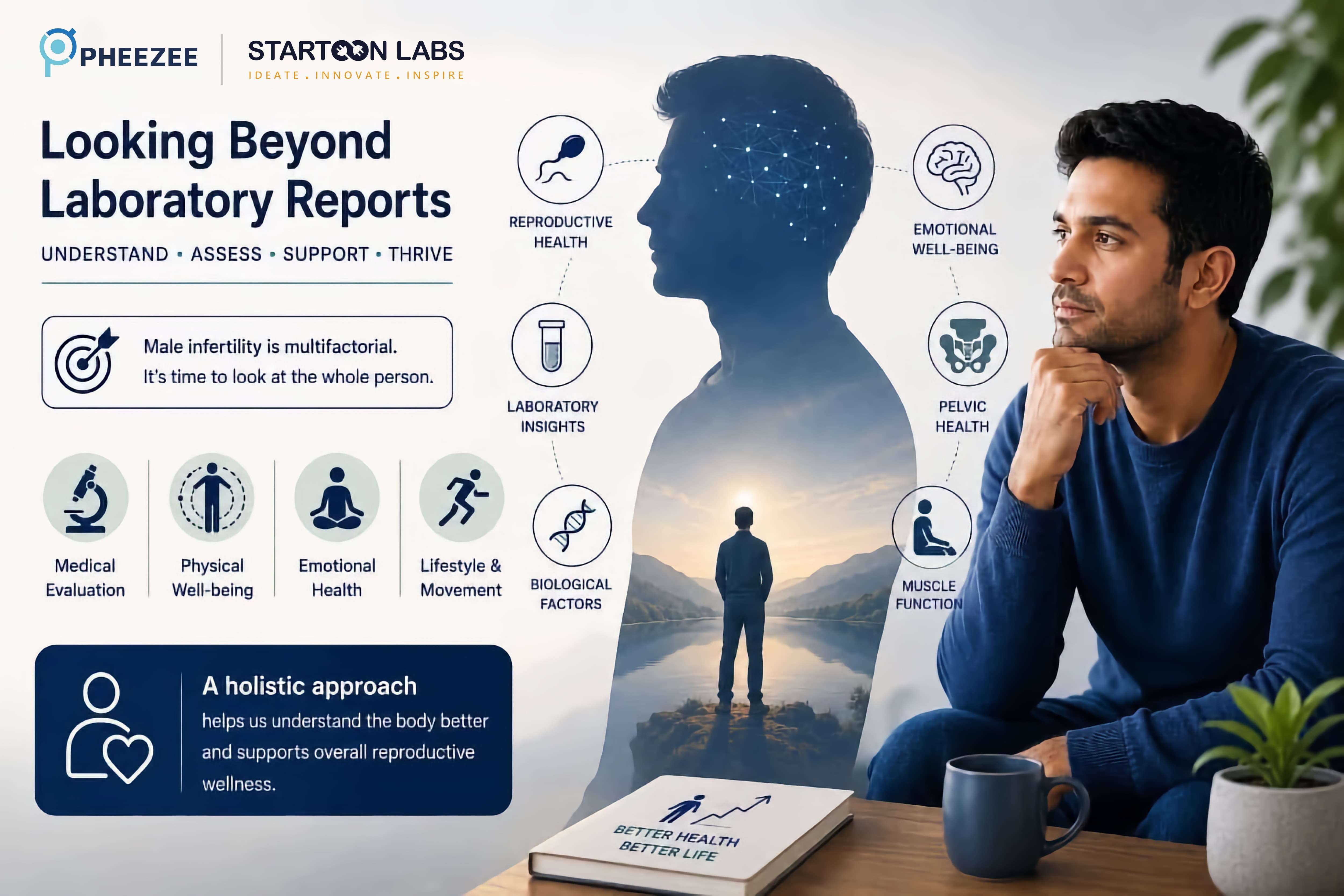
For many men, the journey through infertility begins quietly. Unlike many other health conditions, male infertility often comes without obvious symptoms. A routine semen analysis, hormone tests, and medical consultations may all appear reassuring, yet months or even years can pass without a successful pregnancy. This uncertainty can be frustrating, leaving many men questioning themselves and wondering if there is a hidden problem that standard investigations cannot explain. Despite contributing to nearly half of infertility cases worldwide, male infertility remains surrounded by misconceptions, social stigma, and limited awareness, often delaying timely evaluation and support.
While sperm quality, hormonal balance, and reproductive health remain central to fertility assessment, they may not always tell the complete story. The human body functions as an interconnected system where physical health, emotional well-being, and musculoskeletal function continuously influence one another. Chronic stress, prolonged sitting, poor posture, pelvic muscle tension, lower back pain, and lifestyle habits can all affect pelvic health and overall quality of life. Although these factors may not directly cause infertility, they can contribute to symptoms that impact a man's physical and emotional well-being, making it important to adopt a more holistic perspective when addressing men's reproductive health.
As healthcare increasingly embraces comprehensive, patient-centred care, there is growing recognition that understanding how the body functions is just as important as understanding laboratory reports. Looking beyond conventional fertility investigations to include pelvic health, movement, muscle function, and rehabilitation can provide valuable insights into a person's overall health. By combining medical evaluation with evidence-based physiotherapy and objective assessment tools, clinicians can better support men throughout their reproductive health journey, focusing not only on fertility but also on overall well-being and quality of life.
The Hidden Problem
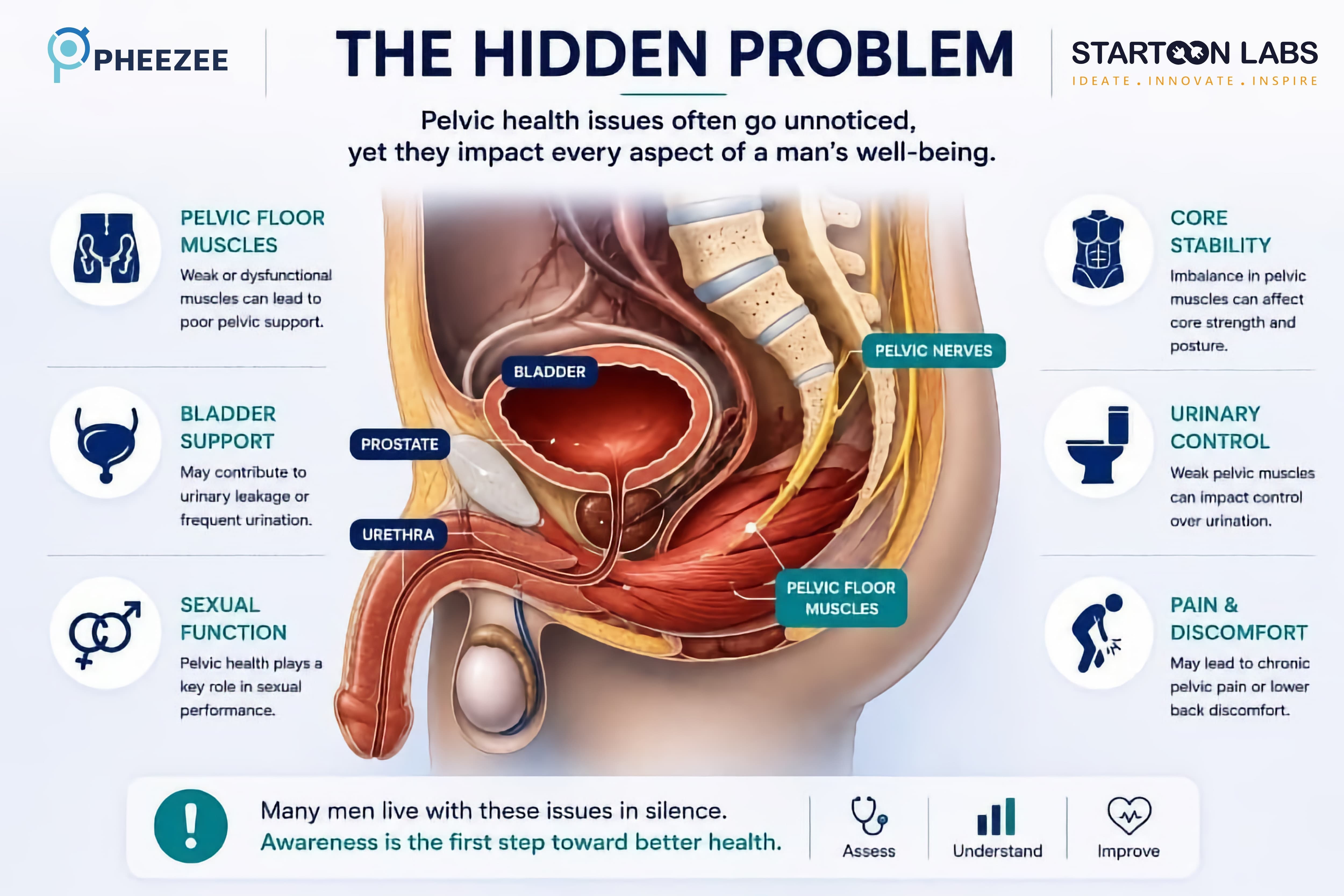
The pelvic floor is a complex group of muscles that supports the bladder, bowel, and reproductive organs while contributing to urinary control, sexual function, posture, and core stability. Like any other muscles in the body, these muscles need to contract and relax in a coordinated manner to function effectively. However, factors such as prolonged sitting, chronic stress, lower back pain, pelvic pain, previous surgeries, or physically demanding occupations can alter their normal function, leading to weakness, excessive tension, or poor coordination.
One of the biggest challenges is that pelvic floor dysfunction often develops gradually and may go unnoticed. Men may experience symptoms such as pelvic discomfort, pain while sitting, urinary difficulties, erectile dysfunction, or chronic pelvic pain without realizing that these issues could be associated with underlying muscle dysfunction. Since these symptoms are not routinely evaluated during fertility assessments, they are frequently overlooked, leaving many men without a complete understanding of their pelvic health.
Although pelvic floor dysfunction is not a direct cause of infertility, it can influence pelvic health, sexual function, comfort, and overall quality of life. Recognising and assessing pelvic muscle function as part of a comprehensive approach to men's health can help identify dysfunctions that may benefit from targeted rehabilitation, ultimately supporting better physical well-being and patient-centred care.
A Shift from Guessing to Understanding
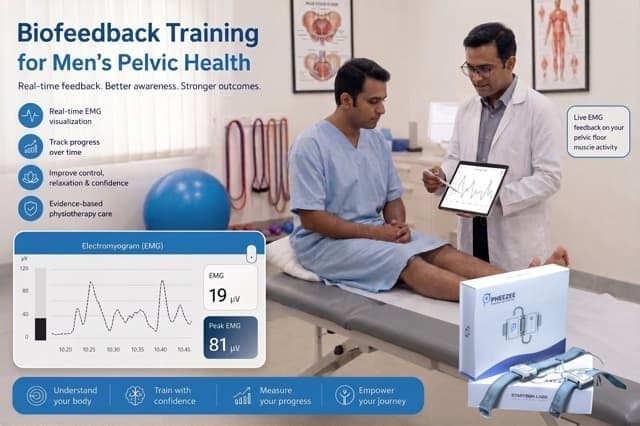
Traditionally, the assessment of pelvic floor function has relied on patient-reported symptoms, physical examination, and the clinician's expertise. While these methods remain valuable, they may not always provide a complete picture of how the muscles are performing during contraction and relaxation. Since pelvic muscle dysfunction is often invisible, identifying subtle impairments can be challenging, particularly in the early stages or when symptoms are non-specific.
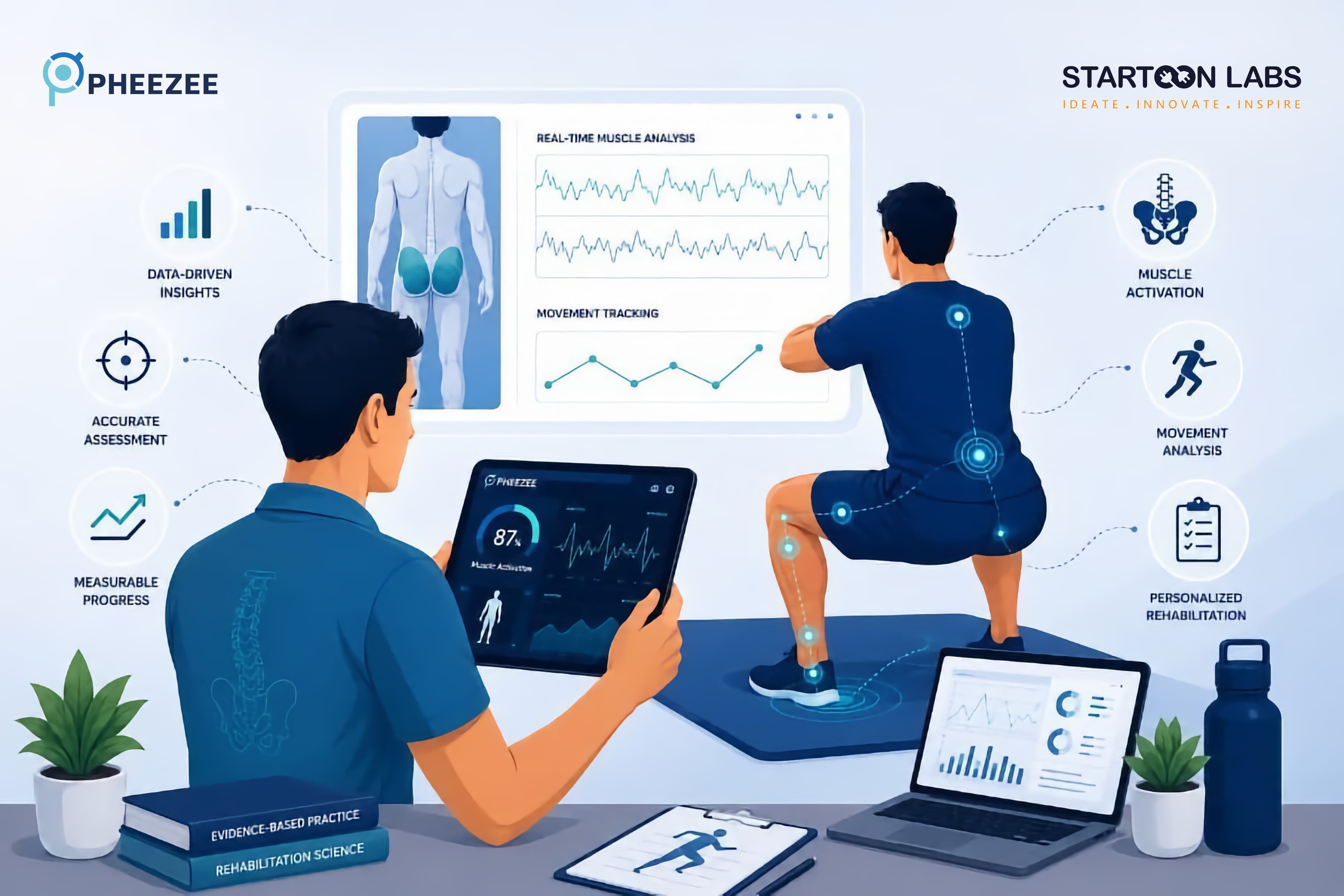
Advances in rehabilitation technology are helping bridge this gap by introducing objective assessment into clinical practice. Rather than relying solely on observation or assumptions, clinicians can now evaluate muscle activation, coordination, endurance, and movement patterns using real-time data. This provides measurable insights into muscle function, enabling healthcare professionals to better understand whether the pelvic floor is functioning efficiently or whether abnormalities such as poor coordination, excessive muscle tension, or reduced muscle performance may require targeted rehabilitation.
Technologies like Pheezee support this approach by offering objective muscle assessment and progress tracking throughout rehabilitation. Although Pheezee is not designed to diagnose male infertility, it assists physiotherapists in evaluating muscle function and monitoring improvements over time.
This shift from subjective assessment to data-driven rehabilitation allows treatment plans to be tailored to an individual's specific functional needs, making rehabilitation more personalised, measurable, and patient-centred. Pheezee also helps in training the muscles by providing feedback constantly throughout the process. Pheezee acts as an objective muscle assessment tool and also as a biofeedback device during the treatment process.
The Moment of Realisation
For many men, the turning point comes when they realise that reproductive health extends beyond laboratory reports and diagnostic investigations. While medical evaluations remain essential, they may not always explain every aspect of a person's physical experience. Understanding how the body moves, responds to stress, and functions can provide valuable insights that are often overlooked during routine fertility assessments.
This broader perspective encourages men to view their health more holistically. Instead of focusing solely on improving a single test result, attention shifts toward enhancing overall physical function, reducing discomfort, improving pelvic health, and supporting long-term well-being. Recognising that factors such as muscle coordination, posture, movement, and rehabilitation can influence quality of life empowers individuals to take a more active role in their care.
For many, this realization replaces uncertainty with understanding. Rather than feeling limited by unanswered questions, they begin to appreciate that progress can be measured in multiple ways - not only through medical investigations but also through improvements in physical function, comfort, and confidence. This patient-centered approach helps transform rehabilitation into a collaborative journey focused on restoring overall health and well-being.
Why This Matters
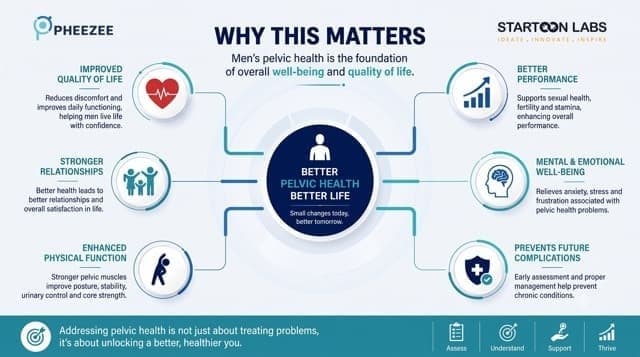
Male infertility extends far beyond the challenge of conception. It can affect a man's emotional well-being, self-esteem, intimate relationships, and overall quality of life. The uncertainty surrounding fertility often leads to feelings of frustration, anxiety, and isolation, particularly when there are no clear answers or visible symptoms. Addressing these concerns requires more than focusing solely on reproductive outcomes - it calls for a comprehensive approach that recognises both the physical and psychological aspects of men's health.
A holistic model of care considers not only medical investigations but also factors such as pelvic health, musculoskeletal function, physical activity, and rehabilitation when clinically appropriate. Evaluating how the body functions in daily life can provide valuable information that complements traditional fertility assessments. Identifying issues such as impaired muscle coordination, reduced mobility, or pelvic floor dysfunction may help clinicians develop more individualised rehabilitation strategies aimed at improving overall function and well-being.
Objective assessment plays an important role in this process by providing measurable insights into muscle performance and rehabilitation progress. It enables clinicians to tailor interventions based on everyone's functional needs while helping patients better understand their own bodies and actively participate in their recovery. Ultimately, comprehensive care is not always about finding another diagnosis - it is about gaining a deeper understanding of the factors that contribute to overall health and supporting men through a more personalised, evidence-based approach to rehabilitation.
How Pheezee Supports Men's Pelvic Health

Advancements in digital health technologies are transforming the way physiotherapists assess and manage musculoskeletal conditions. Pheezee is an AI-enabled physiotherapy assessment and rehabilitation platform that provides objective insights into muscle activity and movement patterns. Capturing real-time data during assessment and exercise sessions, it enables clinicians to evaluate muscle performance more accurately and make informed, evidence-based decisions throughout the rehabilitation process.
Although Pheezee is not a diagnostic tool for male infertility, it serves as a valuable adjunct in physiotherapy by supporting the assessment and rehabilitation of conditions affecting pelvic health. It allows clinicians to objectively evaluate muscle activation, coordination, endurance, and movement quality, helping identify functional impairments that may not be apparent through observation alone. This information can be used to design rehabilitation programs that are tailored to each individual's needs, ensuring that exercises are both appropriate and progressive.
Beyond assessment, Pheezee facilitates continuous monitoring of rehabilitation outcomes by generating measurable reports across therapy sessions. Objective progress tracking enables physiotherapists to modify treatment plans based on patient performance, while visual feedback helps patients better understand their muscle function and actively participate in their recovery. This collaborative approach improves communication between the clinician and the patient, enhances adherence to rehabilitation programs, and promotes greater confidence throughout the treatment journey.
For men undergoing pelvic floor rehabilitation, recovering from pelvic or prostate surgery, or managing chronic pelvic pain and other musculoskeletal conditions, Pheezee provides an objective means of monitoring functional improvement over time. By combining technology with clinical expertise, it supports personalised, data-driven physiotherapy that focuses on restoring function, improving quality of life, and delivering patient-centred care.
Conclusion
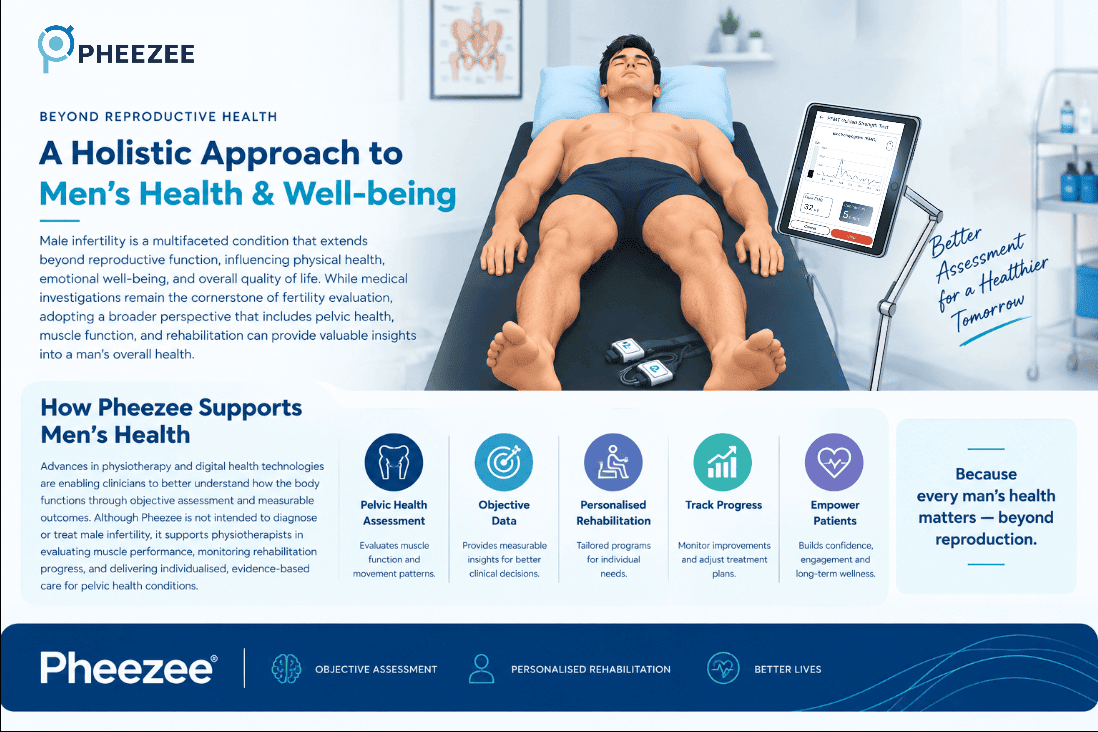
Male infertility is a multifaceted condition that extends beyond reproductive function, influencing physical health, emotional well-being, and overall quality of life. While medical investigations remain the cornerstone of fertility evaluation, adopting a broader perspective that includes pelvic health, muscle function, and rehabilitation can provide valuable insights into a man's overall health. A comprehensive, multidisciplinary approach ensures that care addresses not only the underlying medical condition but also the functional and emotional challenges experienced throughout the fertility journey.
Advances in physiotherapy and digital health technologies are enabling clinicians to better understand how the body functions through objective assessment and measurable outcomes. Although Pheezee is not intended to diagnose or treat male infertility, it supports physiotherapists in evaluating muscle performance, monitoring rehabilitation progress, and delivering individualised, evidence-based care for pelvic health conditions. By integrating clinical expertise with objective technology, healthcare professionals can move beyond assumptions toward more personalized rehabilitation, empowering patients to actively participate in improving their health, function, and overall well-being.


Be the first to comment on this post